
How Much Are Utilities in Tbilisi? Real Costs for Renters
How Much Are Utilities in Tbilisi? Real Costs for Renters is one of the most common questions asked by both locals and foreigners planning to live in Georgia’s capital. While rent prices are often the first concern, understanding utilities in Tbilisi is just as important for budgeting your monthly expenses. Utilities can vary significantly depending on several factors such as the type of property, its location, and whether the building is old or newly constructed. From electricity and water to gas and internet, each component contributes to the overall cost of living. For anyone searching for an apartment for rent in Tbilisi, having a clear idea of utility expenses can help avoid unexpected costs. In this article, we will break down the real costs, explain what affects pricing, and give you a realistic overview of utilities in Tbilisi so you can plan your finances effectively.
Average Utilities in Tbilisi: What to Expect
When discussing utilities in Tbilisi, it’s important to understand what is typically included in monthly expenses. The standard utilities usually consist of electricity, natural gas, water, garbage collection, and internet. In most cases, these are paid separately from rent.
On average, utilities in Tbilisi for a small to medium-sized apartment can range between 150 to 300 GEL per month. However, this number can increase significantly during the winter months due to heating costs. Gas is commonly used for heating, cooking, and hot water, which makes it one of the largest contributors to utility bills.
Electricity is relatively affordable compared to European countries, but heavy usage of appliances can still increase costs. Water is quite cheap and often billed at a fixed or low metered rate. Internet services are also reasonably priced and widely available throughout the city.
Overall, utilities in Tbilisi are considered affordable, but they can fluctuate depending on lifestyle and seasonal changes.
Electricity, Gas, and Water Costs in Tbilisi
Breaking down utilities in Tbilisi further, electricity, gas, and water make up the core of your monthly bills.
Electricity costs typically depend on usage and can range from 30 to 80 GEL per month for an average household. If you use air conditioning in summer or electric heaters in winter, this cost may increase.
Gas is usually the most expensive utility, especially during winter. Monthly gas bills can range from 50 GEL in warmer months to 200 GEL or more during colder periods. This is because many households rely on gas heating systems.
Water remains one of the cheapest utilities in Tbilisi. Monthly water bills are often under 20 GEL, depending on consumption. In some buildings, water may even be included in maintenance fees.
Understanding these basic components is essential when calculating your total utilities in Tbilisi and planning your monthly budget.

How Building Type Affects Utilities in Tbilisi
One of the most important factors influencing utilities in Tbilisi is whether you live in a new building or an old one.
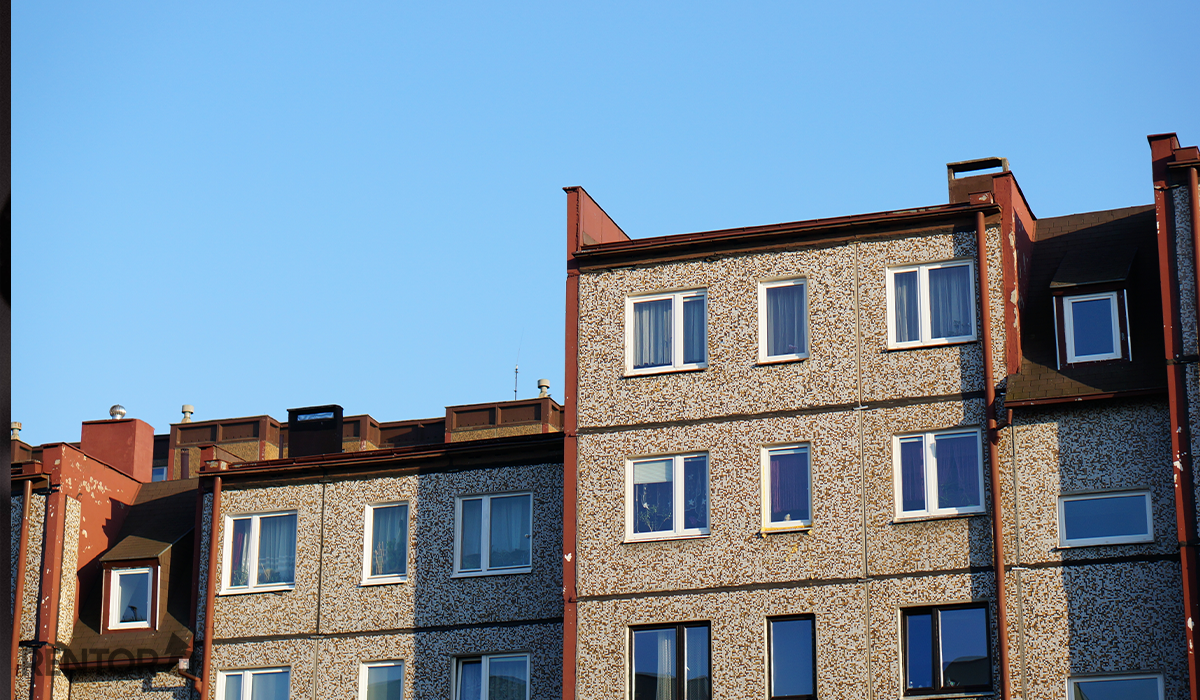
New buildings are generally more energy-efficient. They often have better insulation, modern heating systems, and improved infrastructure. This means that residents typically spend less on heating and electricity. Although maintenance fees in new buildings can be higher, the overall utilities in Tbilisi may still be lower due to efficiency.
On the other hand, old buildings tend to have poor insulation and outdated systems. Heating these apartments can be expensive, especially during winter. Windows and walls may not retain heat effectively, leading to higher gas consumption.
Additionally, older buildings may experience issues such as water pressure problems or outdated electrical systems, which can indirectly impact your utility usage.
For renters, choosing between a new or old building can make a noticeable difference in utilities in Tbilisi over time.
Property Type: Apartment vs Commercial Space
Another key factor affecting utilities in Tbilisi is the type of property you are renting.
Residential apartments generally have lower utility costs compared to commercial spaces. Apartments are designed for living, so their energy consumption is typically moderate. Most renters will find that utilities in Tbilisi remain manageable in standard residential units.
Commercial properties, however, often have much higher utility expenses. Offices, shops, and other business spaces require more electricity for lighting, equipment, and heating or cooling systems. In some cases, utility tariffs for commercial properties may also be higher than residential rates.
Even within apartments, size matters. A larger apartment will naturally consume more electricity and gas, increasing overall costs. Studio apartments or one-bedroom units are usually the most cost-efficient option.
Understanding the difference between property types is essential when estimating utilities in Tbilisi, especially for those planning long-term stays or business operations.
Location and Its Impact on Utility Costs
Location plays a significant role in determining utilities in Tbilisi. When choosing an apartment for rent in Tbilisi, different districts may have varying infrastructure quality, building standards, and even utility efficiency.
Central areas like Vake, Saburtalo, and Mtatsminda often feature newer or renovated buildings, which can be more energy-efficient. This may result in lower heating costs despite slightly higher rent prices.
In contrast, older districts or suburban areas may have buildings with outdated systems, leading to higher utility consumption. Additionally, some areas may experience differences in water pressure or electricity reliability, which can indirectly affect usage.
Climate exposure is another factor. Apartments located on higher floors or in windy areas may require more heating in winter. Similarly, homes with poor sunlight exposure may need additional lighting and heating.
All these elements show how location directly influences utilities in Tbilisi and why it should be considered carefully when choosing a place to live.
Internet, Maintenance, and Additional Costs
Beyond basic services, utilities in Tbilisi can also include internet, building maintenance, and other smaller expenses.
Internet in Tbilisi is fast, reliable, and affordable. Monthly costs usually range from 30 to 60 GEL, depending on the provider and package. Many apartments already come with pre-installed internet connections.
Maintenance fees are common in newer buildings and can range from 30 to 100 GEL per month. These fees cover cleaning, elevator maintenance, security, and shared spaces. While this adds to your expenses, it often improves overall living conditions.
Garbage collection fees are minimal and usually included in utility bills. Some buildings may also charge for parking or additional services.
When calculating utilities in Tbilisi, it’s important to include these extra costs, as they can slightly increase your monthly budget.

Seasonal Changes in Utilities in Tbilisi
Seasonal variation is one of the biggest factors affecting utilities in Tbilisi. Costs can change dramatically between summer and winter.
During winter, heating becomes essential, and gas bills can rise significantly. This is the period when utilities in Tbilisi are at their highest. Proper insulation and efficient heating systems can help reduce these costs.
In summer, electricity usage may increase due to air conditioning, but overall expenses are usually lower than in winter. Spring and autumn are the most affordable seasons, with minimal heating or cooling needs.
Understanding these seasonal differences allows renters to plan ahead and avoid surprises when managing utilities in Tbilisi.
Conclusion
Understanding utilities in Tbilisi is essential for anyone planning to rent or live in the city. While the costs are generally affordable compared to many European capitals, they can vary based on factors such as building type, property size, and location. New buildings tend to be more efficient, while older ones may lead to higher heating expenses. The type of property, whether residential or commercial, also plays a major role in determining overall utility costs. Additionally, seasonal changes can significantly impact monthly bills, especially during winter. By considering all these factors, renters can better estimate their monthly expenses and make informed decisions. Overall, utilities in Tbilisi remain relatively budget-friendly, making the city an attractive destination for both locals and expats looking for a comfortable and affordable lifestyle.