

Rent laws in Georgia
Rent laws in Georgia form the foundation of the relationship between landlords and tenants, establishing a legal framework that governs rental agreements, responsibilities, and dispute resolution. Understanding these laws is essential for anyone involved in the property rental market, whether renting a home or leasing property as an investment. Rent laws in Georgia are primarily based on contractual freedom, meaning that many terms are negotiated between the parties, but they must still comply with national legislation and general legal principles. This balance allows flexibility while ensuring fairness and accountability. By exploring key aspects such as lease agreements, tenant rights, landlord obligations, and legal procedures, this article provides a comprehensive guide to navigating rent laws in Georgia effectively and confidently.

Overview of the Legal Framework
Rent laws in Georgia are mainly regulated by the Civil Code of Georgia, which governs contractual relationships, including property leases. The system is relatively flexible compared to countries with strict rent control policies. This means landlords and tenants can negotiate most terms freely, including rent prices, duration, and specific conditions. Despite this flexibility, contracts must still comply with legal standards. Agreements that are unclear, unfair, or unlawful can be challenged in court. Rent laws in Georgia therefore act as both a flexible guideline and a protective mechanism, ensuring that both parties operate within reasonable and lawful boundaries.
Lease Agreements and Key Terms
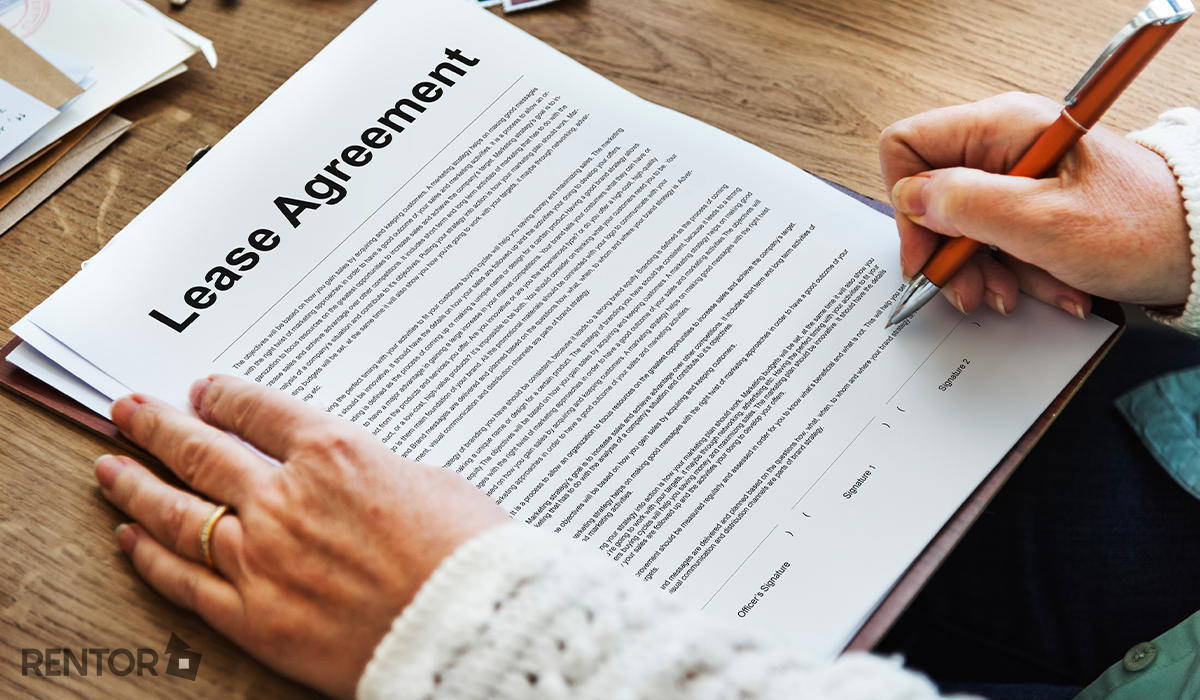
A lease agreement is the cornerstone of any rental arrangement. Under rent laws in Georgia, agreements can be written or verbal, though written contracts are strongly recommended. A detailed lease helps prevent misunderstandings and provides legal protection.
Important elements typically include:
- Names and identification of both parties
- Description of the property
- Rent amount and payment schedule
- Lease duration and renewal terms
- Security deposit details
- Maintenance and repair responsibilities
Rent laws in Georgia allow flexibility in drafting these agreements, but clarity is essential. Vague or incomplete contracts often lead to disputes, particularly when responsibilities are not clearly defined.
Rent Payments and Adjustments
One notable feature of rent laws in Georgia is the absence of strict rent control. Landlords are generally free to set rental prices based on market conditions. However, rent increases must follow the terms outlined in the lease agreement. If a fixed-term contract specifies a set rent, it cannot be changed unilaterally during that period. Any provisions for rent increases must be clearly written and agreed upon in advance. Transparency is critical, as unexpected or unjustified increases can lead to legal disputes. For tenants, understanding rent laws in Georgia is essential when negotiating lease terms. For landlords, clear communication helps maintain trust and avoid conflicts.
Security Deposits
Security deposits are a standard part of rental agreements. Rent laws in Georgia do not impose strict limits on deposit amounts, though they are commonly equal to one or two months’ rent. The deposit is intended to cover unpaid rent or damages beyond normal wear and tear. At the end of the lease, the landlord must return the deposit unless there are justified deductions. Disagreements often occur when deductions are not clearly explained. To minimize disputes, tenants should carefully document the property’s condition at move-in and move-out. This can include photos, written notes, and signed checklists. Such documentation provides valuable evidence under rent laws in Georgia if conflicts arise.

Tenant Rights and Responsibilities
Tenants are granted several important rights under rent laws in Georgia. These include the right to live in a safe and habitable property, the right to privacy, and protection from unlawful eviction.
At the same time, tenants are expected to fulfill certain responsibilities. These include paying rent on time, maintaining the property, and respecting the terms of the lease agreement. Maintaining the property properly—sometimes supported by simple apartment maintenance tips for renters—can help avoid unnecessary disputes and ensure the return of a security deposit.
Rent laws in Georgia emphasize balance. Tenants who respect their obligations are better protected when asserting their rights.
Landlord Obligations
Landlords also have clear duties under rent laws in Georgia. They must provide a property that is safe and suitable for living, ensure that essential utilities are functioning, and carry out necessary repairs unless otherwise agreed.
Failure to meet these obligations can lead to legal consequences. Tenants may have the right to request repairs, negotiate rent reductions, or terminate the lease in serious cases.
Additionally, landlords must respect tenant privacy. Entry into the rental property typically requires prior notice, except in emergencies. This requirement reinforces the fairness embedded in rent laws in Georgia.

Lease Termination
Lease termination is an important part of rent laws in Georgia. A lease can end when the agreed term expires, when both parties consent, or when one party breaches the contract.
Early termination conditions should be clearly defined in the agreement. For example, tenants may need to provide advance notice, while landlords must have valid legal grounds for ending a lease prematurely.
Clear termination clauses reduce misunderstandings and help ensure that both parties are treated fairly under rent laws in Georgia.
Eviction Procedures
Eviction is a formal legal process and must follow strict procedures. Under rent laws in Georgia, landlords cannot remove tenants without a court decision. Legal grounds for eviction include non-payment of rent, violation of contract terms, or illegal use of the property.
The process usually involves written notice followed by court proceedings. Any attempt to evict a tenant without following legal steps—such as changing locks or cutting utilities—is unlawful.
Understanding rent laws in Georgia is crucial for both landlords and tenants in eviction situations, as it ensures that rights are protected and procedures are properly followed.

Dispute Resolution
Disputes may arise even in well-managed rental relationships. Rent laws in Georgia encourage parties to resolve conflicts through communication and negotiation before resorting to legal action.
Common issues include disagreements over deposits, repairs, rent payments, and contract terms. If informal resolution fails, parties can take the matter to court.
Proper documentation is essential in these cases. Written agreements, receipts, and communication records provide strong support during legal proceedings. Rent laws in Georgia rely heavily on evidence, making preparation and record-keeping extremely important.
Short-Term and Long-Term Rentals
The rental market in Georgia includes both short-term and long-term arrangements. Rent laws in Georgia apply to both, but the structure of agreements may differ.
Short-term rentals often involve more flexible, less formal agreements, while long-term leases tend to be more detailed and legally structured. Regardless of the type, all rental arrangements must comply with general legal standards.
As the market continues to grow, particularly in urban and tourist areas, staying informed about rent laws in Georgia is essential for both landlords and tenants.

Practical Considerations
Successfully navigating rent laws in Georgia requires awareness and preparation. Tenants should always review agreements carefully, keep records of payments, and document the condition of the property. Landlords should ensure that contracts are clear, fair, and legally compliant.
Open communication is one of the most effective ways to prevent disputes. When both parties understand their rights and responsibilities, rental relationships are more stable and mutually beneficial.
Conclusion
Rent laws in Georgia provide a flexible yet reliable legal framework for managing rental relationships. While they allow freedom in negotiating terms, they also enforce fairness and accountability through legal principles. From lease agreements and rent payments to eviction procedures and dispute resolution, every aspect of the rental process is influenced by these laws. Understanding rent laws in Georgia is essential for avoiding conflicts and ensuring a smooth experience for both landlords and tenants. By staying informed and proactive, individuals can confidently navigate the rental market, protect their interests, and build positive, legally sound rental relationships.